What Is Product Photography? Types, Costs & When You Need A Studio - I Heart Studios

What Is Product Photography? Types, Costs & When You Need A Studio

What Is Product Photography? Types, Costs & When You Need a Studio

When customers shop online, they cannot pick up a product, feel its material or see it from different angles. Product photography fills that gap.

It’s the closest they can get to picking something up off the shelf. The right images show customers what they’re buying, help build confidence and give brands control over how their products appear across ecommerce, marketplaces, advertising and social media.

But product photography is not just about placing an item in front of a camera. If only it were that easy. Different products and sales channels need different types of images and getting them right takes a lot more than a decent camera and a white wall.
When customers shop online, they cannot pick up a product, feel its material or see it from different angles. Product photography fills that gap.

It’s the closest they can get to picking something up off the shelf. The right images show customers what they’re buying, help build confidence and give brands control over how their products appear across ecommerce, marketplaces, advertising and social media.

But product photography is not just about placing an item in front of a camera. If only it were that easy. Different products and sales channels need different types of images and getting them right takes a lot more than a decent camera and a white wall.

What Is Product Photography?

Product photography is the process of creating images that present a product clearly and accurately for commercial use.

The job sounds simple: show the product properly, highlight the details that matter and make it look good enough that someone wants to click, explore and, ideally, buy it.
Good product photography depends on more than the camera. Lighting, styling, composition, background, colour accuracy and post production all affect the final result.

A £5,000 camera won’t save bad lighting, questionable styling or a product covered in fingerprints. The details matter.

What Are the Different Types of Product Photography?

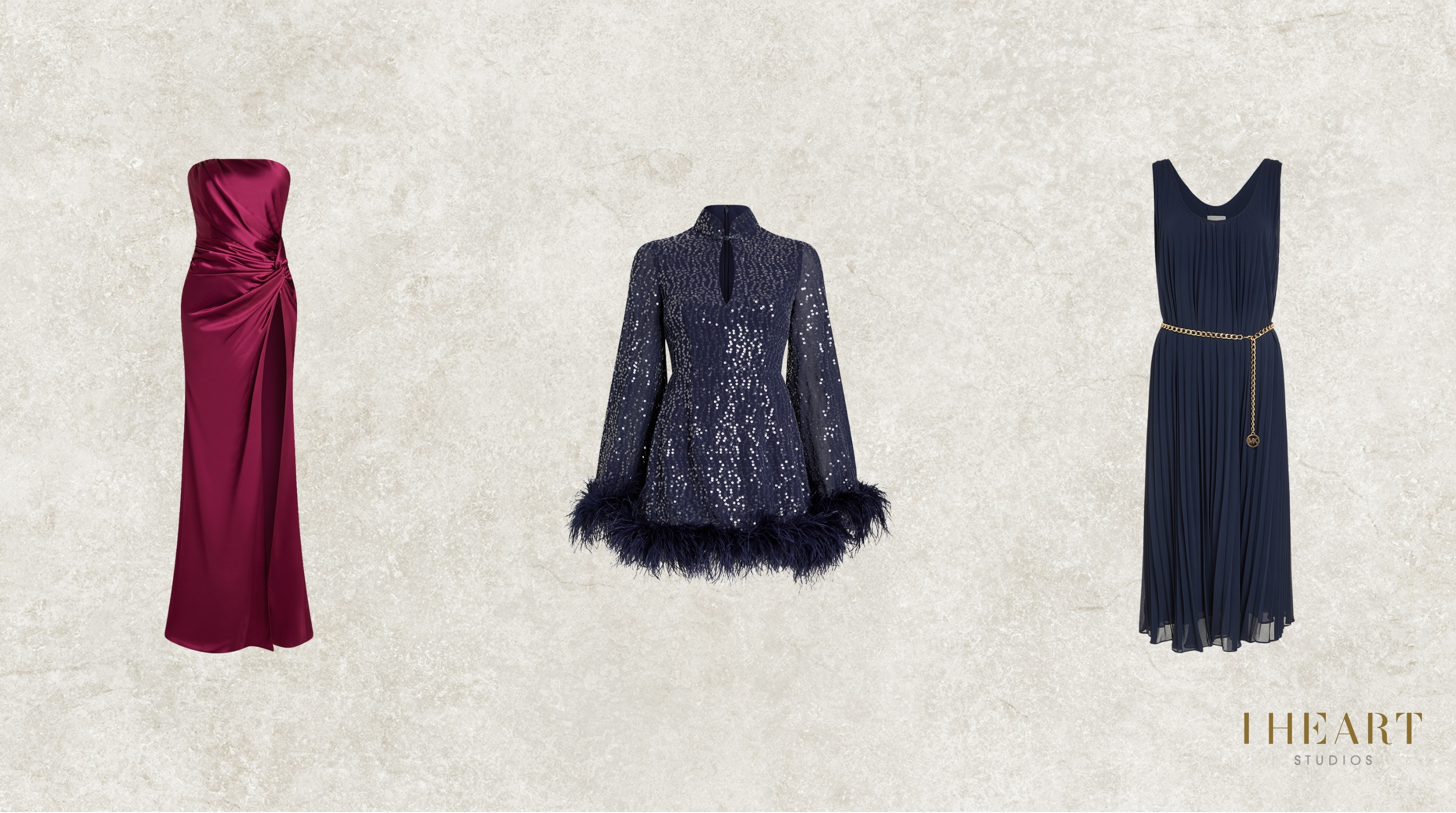
Product Only Photography

These are clean images focused entirely on the product, often using a simple or white background. They are commonly used for ecommerce listings and marketplaces where customers need a clear view of the product.
No distractions. No elaborate set. Just the product doing exactly what it needs to do.

Lifestyle Photography

The product is shown in a real or designed environment, often with people or props. This helps customers understand how the product looks and feels in everyday use.

It adds context. A sofa in a white studio tells you what the sofa looks like. Put it in a beautifully styled living room and you can start imagining it in your home.

Creative Product Photography

Here, photography becomes more conceptual and campaign driven. Lighting, composition, props and unusual perspectives can be used to highlight a product's personality or key features.

This is where you can have a little more fun. Think bold sets, unexpected props, dramatic lighting and imagery designed to stop the scroll rather than simply document the product.

Group and Flat Lay Photography

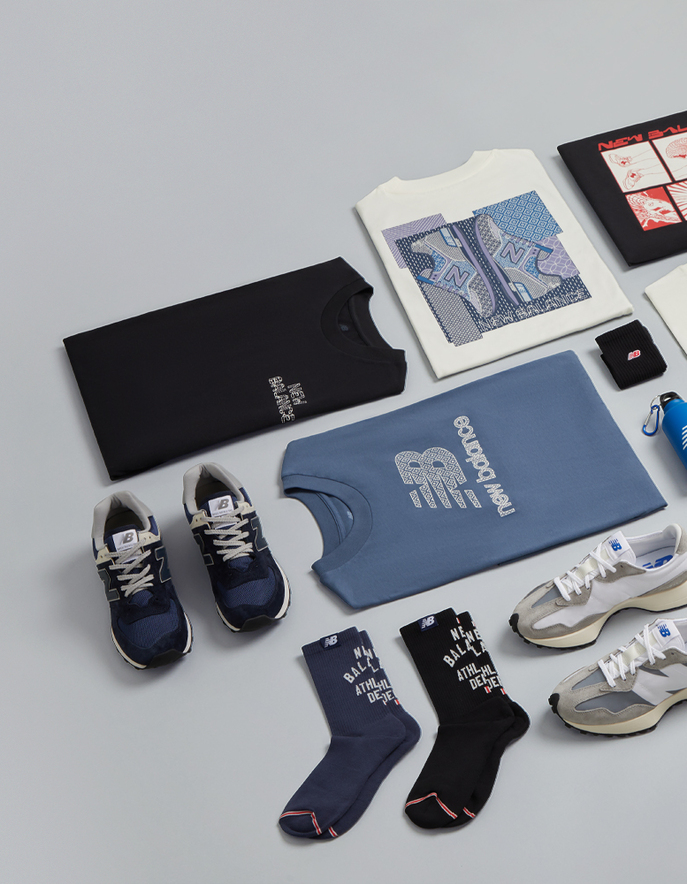
Multiple products can be photographed together, while flat lays use a top to down perspective. These formats can work well for collections, bundles, social content and promotional campaigns.

They’re particularly useful when products belong together – or when one lonely product in the middle of the frame just isn’t giving enough.

When Do You Need a Professional Studio?

A studio becomes particularly useful when consistency, scale and control matter.

One great product image is one thing. Making product number 427 look just as good as product number one is where things get interesting.

Controlled lighting makes it easier to maintain the same look across hundreds of products. A professional setup also becomes important for reflective, transparent, textured or difficult products that need careful lighting.

Glass, jewellery, chrome, glossy packaging some products seem specifically designed to show every reflection you don't want to see.

For larger catalogues, a studio can provide a repeatable process for product preparation, photography, styling, retouching and quality control.

Because ecommerce content rarely ends with one shoot. New SKUs arrive. Colours change. Collections launch. Marketplaces need different formats. And suddenly you're back in production again.

What Actually Determines the Cost?

There is no universal price for product photography. We know. Not the beautifully simple answer you were hoping for.

The final cost can depend on the number of products, number of images, type of photography, styling, models, location, studio requirements, product complexity, retouching and turnaround time.

That’s why comparing studios purely on a per-image price can be misleading. Photographing a cotton T-shirt on a white background and photographing a reflective watch with precision lighting might both produce ‘one image’, but the work behind them is very different.

The better question is what goes into creating each asset and how efficiently that process can scale across your catalogue.

Should You Shoot In House or Use a Studio?

For a small catalogue, an in house setup can be an option, particularly if you have the right equipment, space and time to manage the process.

If you have ten straightforward products and know your way around lighting, great. You might not need an entire production operation.

However, professional product photography requires more than a camera. Lighting, styling, product preparation, composition, colour accuracy, retouching and quality control all affect how the final images look.

Experienced photographers know how to handle different materials, surfaces, shapes and finishes, while controlled studio lighting helps present products clearly and accurately.

A professional studio brings all of those elements together into one repeatable production process – so you're not reinventing the shoot every time another 50 SKUs arrive.

And that consistency matters. Customers might not consciously notice that every crop, shadow and colour is aligned, but they'll notice when your catalogue feels polished, considered and unmistakably yours.

As product volume increases, the equipment, people, space, styling, editing and quality control required to keep production moving can become difficult to manage internally. A professional studio can provide the production setup, expertise and repeatable process needed to handle larger volumes while maintaining a high standard across every image.

The right question is not simply ‘How do we get product photos?’

It is:

‘What visual quality does our brand need, and do we have the time, expertise and setup to achieve it in house?’

If your products need to look polished, premium and ready to compete with larger brands, investing in a professional product photography studio can be well worth it.

It is:

‘What visual content does each product need, where will it be used, and what production setup can deliver it consistently at scale?’

It’s bigger than the photoshoot

The question isn't simply, ‘How do we get product photos?’

It's: ‘What content does each product need, where will it be used and what production setup can deliver it consistently at scale?’

For some brands, an in house setup will do the job. For others, the volume, complexity or quality required makes a professional studio the smarter option.

Because once you're managing hundreds or thousands of products across multiple channels, product photography stops being a series of individual shoots.

It becomes part of your ecommerce content engine one built to keep products looking good, launches moving and your visual identity consistent, however big the catalogue gets.