What is Ecommerce Photography? - I Heart Studios

What is Ecommerce Photography?

What is Ecommerce Photography?

Think about the last time you bought clothing online.

Chances are, you never spoke to a salesperson, touched the fabric or tried it on. Instead, you relied entirely on the images in front of you. That's the power of ecommerce photography.

Great imagery doesn’t just make products look beautiful. It answers questions, builds trust and gives customers the confidence to buy. When done well, it becomes one of the biggest drivers of conversion on a product detail page.

At ecommerce photography studios, every image has a purpose. Whether it’s showing the true colour of a garment, the texture of a fabric or how a piece fits on the body, each photograph helps remove uncertainty before a customer reaches checkout.

Without that confidence, shoppers hesitate. They abandon their baskets, ask customer service questions or return products that weren’t quite what they expected.

That’s why professional ecommerce photography isn’t simply a creative investment. It’s a commercial one.

Why Ecommerce Photography Matters

Your product page is your digital shop assistant.

Every image should answer a customer’s next question before they have to ask it.

Is the colour accurate?

How does it fit?

What does the fabric look like close up?

What’s the back like?

How does it move?

The role of professional ecommerce photography is to answer all of those questions visually, helping customers make informed buying decisions without ever speaking to your team.

The more questions your imagery answers, the more confidence your customers have to purchase.

The Different Types of Ecommerce Photography

Not every image serves the same purpose. Each format answers a different customer question and works together to create a complete shopping experience.
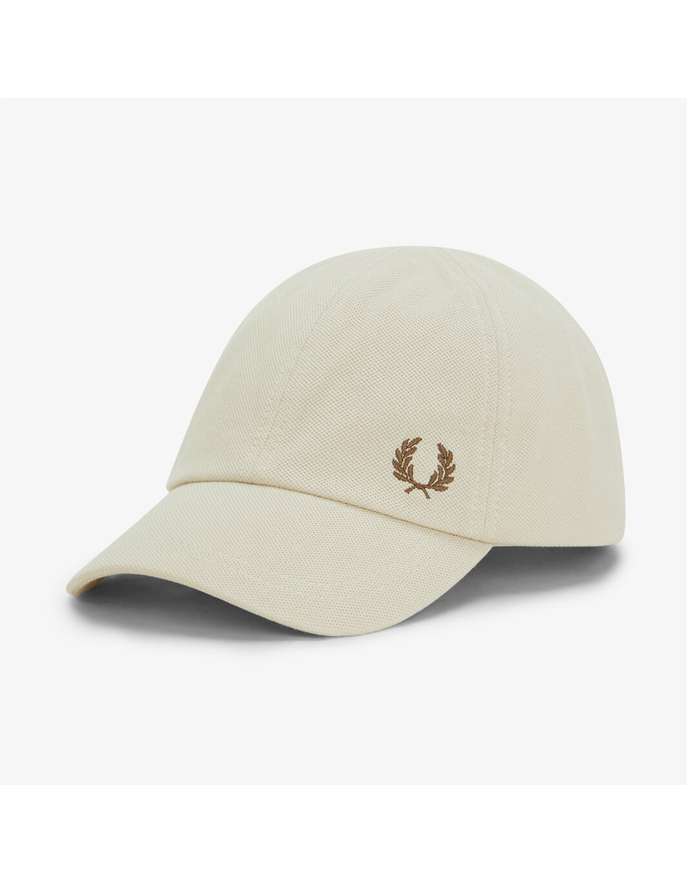
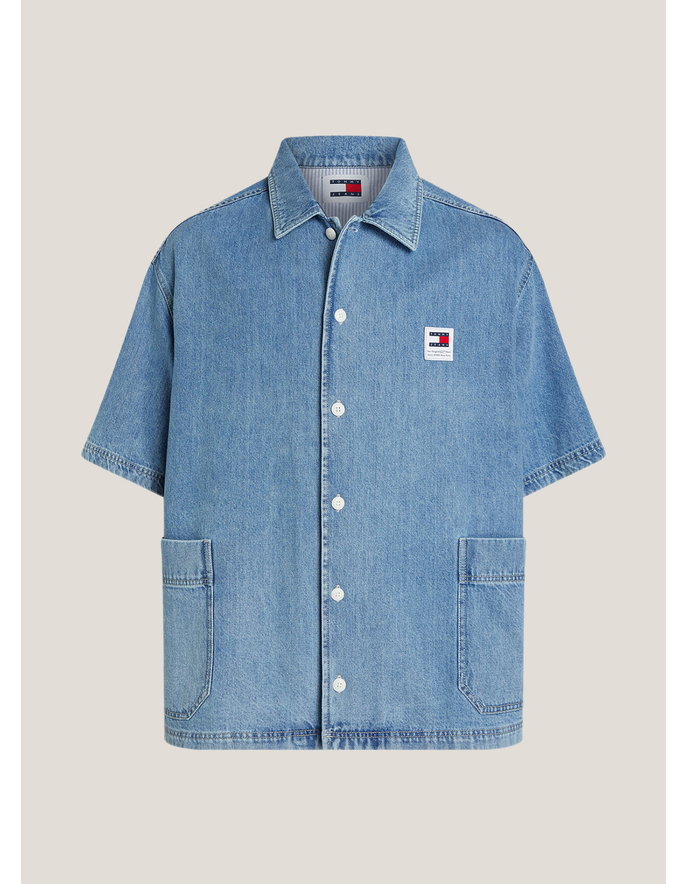
Packshot Photography –

Packshots are the foundation of every product page. They showcase products clearly and consistently, allowing customers to focus on the item without distractions while building trust across your catalogue.

Ghost Mannequin Photography –

Ghost mannequin photography gives garments shape without distracting from the product itself. It helps customers understand fit and structure while delivering a clean, premium presentation that’s also cost effective.

What is Ecommerce Photography? What is Ecommerce Photography?

On Model Photography –

Seeing clothing on a real person helps customers visualise how it looks, fits and drapes in everyday life. It’s often the difference between imagining a product and feeling confident enough to buy it.

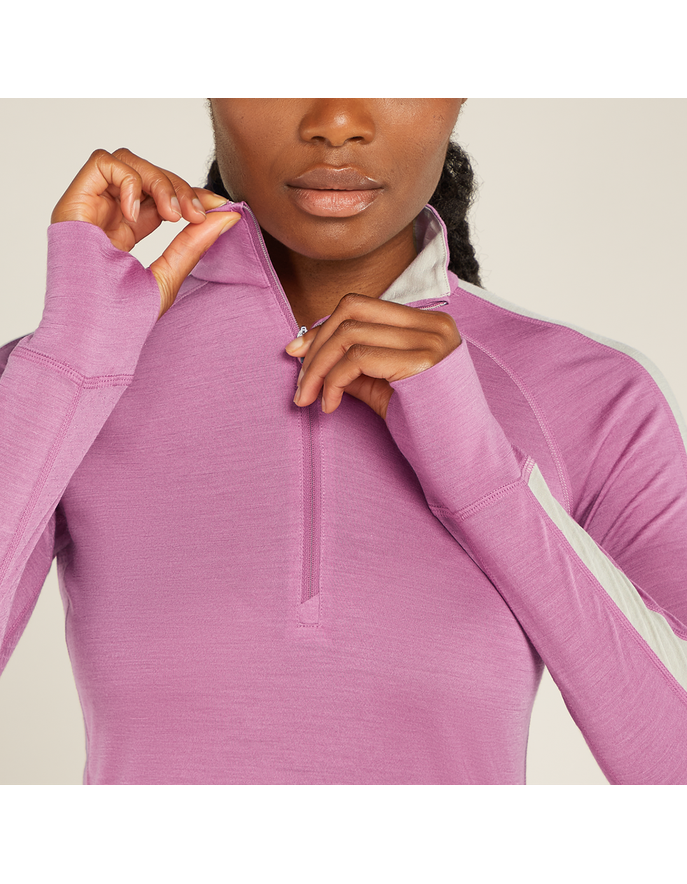
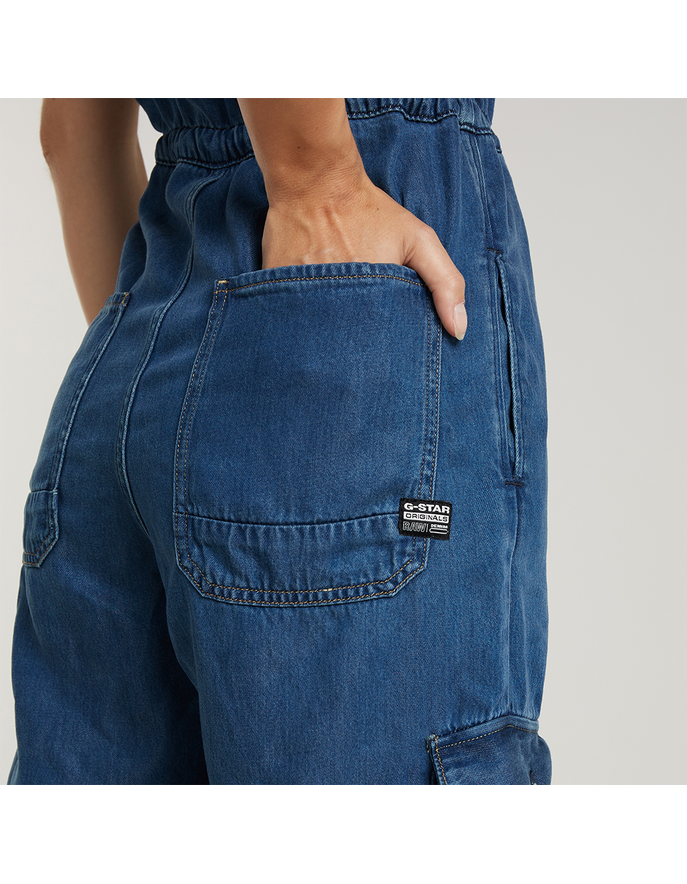
Detailed Close Ups –

Sometimes it’s the smallest details that influence a purchase.
Close up photography showcases fabrics, stitching, trims and finishes, helping justify price while reinforcing product quality.

What is Ecommerce Photography? What is Ecommerce Photography?

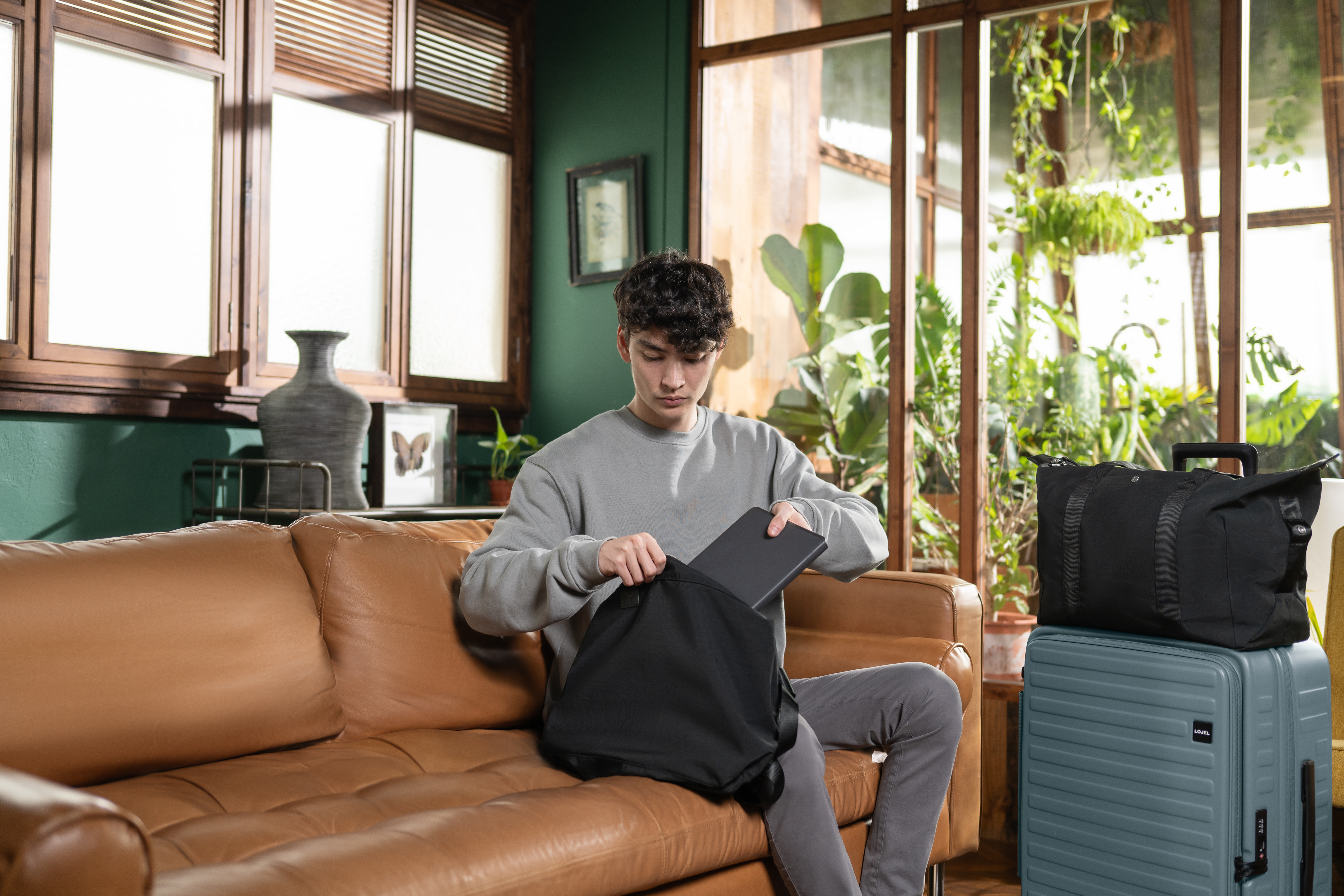
Lifestyle Photography

Lifestyle imagery tells the story behind the product.

Rather than simply showing what an item looks like, it shows how it fits into someone’s life, creating aspiration and strengthening brand identity.

Together, these formats create a richer shopping experience. Remove one, and customers are left filling in the gaps themselves.

The Hidden Cost of Inconsistent Product Photography

Poor or inconsistent imagery affects much more than aesthetics.

It can lead to:

  • Higher return rates because products don’t match customer expectations.
  • Lower conversion rates as shoppers hesitate before buying.
  • More customer service enquiries answering questions your imagery should have resolved.
  • Higher customer acquisition costs when paid traffic lands on product pages that fail to convert.

For growing fashion retailers, these costs quickly add up.

Often, the product isn’t the issue. It’s simply that customers weren’t given enough visual information to buy with confidence.

So, Where Does Your Brand Sit?

Most brands fall into one of three stages.

Level One: Basic

Every product has imagery, but the quality and formats vary across the catalogue.

Level Two: Conversion Focused

Photography is planned strategically, with each image designed to answer a specific customer question and improve performance.

Level Three: Fully Optimised

Photography becomes part of the wider ecommerce strategy.

Performance is measured, workflows are standardised and imagery is directly linked to conversion rates, return rates and overall commercial success.

Many brands sit somewhere between these stages, which means there’s usually an opportunity to improve consistency across the catalogue.

Conclusion

Customers can’t touch, try on or inspect products online.

Your photography has to do that job instead.

That’s why ecommerce photography is about far more than creating beautiful images. It’s about reducing uncertainty, building trust and helping customers make confident buying decisions.

At leading ecommerce photography studios, every image is created with a purpose. From packshots and ghost mannequins to lifestyle photography and 360° spins, every format plays a role in improving the customer experience.

Investing in professional ecommerce photography isn’t simply about making products look better. It’s about helping your products sell better.